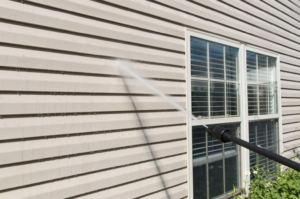
 For an average single-family home, power washing house cost usually falls somewhere between $200 and $500, though that range moves depending on the size of the house, what the siding is made of, and how much buildup is involved. A lot of people assume power washing is just something that happens automatically as part of a paint job, but it’s really its own service with its own price tag — and plenty of homeowners book it on its own, with no painting involved at all.
Affordable Painting & More breaks this out separately because the two get lumped together a lot, and the pricing works differently depending on which one you’re after.
Power Washing House Cost: What Actually Drives the Number
A few things move the estimate up or down:
- Square footage. A small ranch and a two-story colonial with a wraparound porch are two very different jobs, even before you factor in anything else.
- Surface type. Vinyl siding washes differently than wood clapboard, stucco, or brick, and some surfaces need a gentler approach (lower pressure, different nozzle, sometimes a soft-wash chemical treatment) to avoid damage.
- Buildup severity. A house that gets washed every year or two is a quicker job than one with years of algae, mildew, or pollen ground into the surface. North-facing walls and anything shaded by trees tend to hold onto mildew longest, which is common around here given how much tree cover a lot of these older neighborhoods have.
- Access. Fencing, landscaping, tight side yards, or a second story that needs extra reach all add time.
Mike always looks at the house in person before giving a number, because photos rarely tell the full story on buildup or access.
Power Washing as Its Own Service
If you’re not planning to paint any time soon, power washing on its own still does a few things worth doing: it clears mildew and algae before they eat into siding or trim, it knocks pollen and grime off before allergy season gets bad, and it’s honestly just one of the more noticeable, immediate improvements you can make to how a house looks. Affordable Painting & More has had customers book a wash just to get the house looking clean again after a long winter — no paint involved.
That said, pressure washing isn’t something to take lightly if you’re doing it yourself. The wrong pressure or nozzle angle can strip paint, gouge wood siding, or force water behind trim where it doesn’t belong. The CDC has a good rundown on pressure washer safety worth a look if you’re considering a DIY approach — the pressure these machines put out is more than people expect.
Best Time of Year to Power Wash Around Here
Spring and early fall both work well, but for different reasons. In spring, washing clears off the winter grime, salt residue, and pollen that builds up once things thaw out — it’s usually the first thing that makes a house look like winter is actually over. In fall, washing before the first hard freeze clears mildew and algae that would otherwise sit against the siding all winter, trapped under snow and ice. If you’re planning to paint, spring through early fall also gives the surface time to dry fully before primer or paint goes on, which matters more than people expect — paint applied over even slightly damp siding won’t bond the way it should.
How Often Should You Power Wash?
Most homes do well with a wash every one to two years. Houses in shaded lots, near a wooded area, or without much direct sun tend to build up mildew faster and may need it closer to annually. If you’re getting ready to paint, washing right before is non-negotiable — paint won’t bond well over dirt, mildew, or chalky residue, no matter how good the paint itself is.
Key Takeaways
- Power washing house cost typically runs $200–$500, depending on size, surface, buildup, and access.
- It’s a standalone service, not just a pre-paint step — plenty of homeowners book it on its own.
- Surface type matters: vinyl, wood, stucco, and brick all call for different pressure and technique.
- Shaded or tree-covered lots usually need washing more often due to mildew buildup.
- If you’re painting, washing beforehand isn’t optional — it’s part of getting a finish that lasts.
FAQ
Is power washing safe for all types of siding?
Not at full pressure. Wood and stucco usually need a lower-pressure or soft-wash approach to avoid damage, while vinyl generally tolerates more.
How long does a power wash take?
Most single-family homes take a few hours, depending on size and buildup.
Can I power wash my house myself?
You can, but the equipment is more powerful than most people expect, and it’s easy to damage siding or trim, or force water where it shouldn’t go. See the CDC’s safety guidance linked above if you’re going that route.
Does power washing remove all mildew?
It removes surface mildew and algae effectively, though heavily shaded areas may need a repeat treatment or a mildew-specific cleaner for full results.
Ready to get your exterior cleaned up, whether or not paint is next on the list? Book a wash here and Mike will get you a straight number based on your home. If you are planning to paint, take a look at Power Washing Before Painting for how the two connect, or the Exterior Home Maintenance checklist for what else to keep an eye on this time of year.